
Parenting the Neurodiverse Child (Part 1)
With Rochelle Hairs
Part 1 of Parenting the Neurodiverse Child offers a clear and compassionate introduction to neurodiversity - what it is, how it can present, and the steps you can take to learn more. Rochelle also explores why a diagnosis can be beneficial, both for accessing support and for better understanding your child’s unique needs.
This course is designed to help you feel seen, supported, and less alone in the challenges you may be facing. You might be unsure whether your child is neurodiverse, or you may already have clarity but feel uncertain about what to do next. Either way, this course provides a solid foundation for understanding the essentials.
To continue building on this knowledge, Rochelle’s Part 2 dives deeper into practical strategies and tools to support both you and your child in daily life.
What You’ll Learn
This course is ideal for parents who:
Are wondering whether their child may be neurodiverse
Want practical strategies to support their neurodiverse child
Want to understand what neurodiversity truly means
Are seeking clarity around the diagnostic process
Worry about the judgments or assumptions that can come with a neurodiverse profile
Are finding their child’s behaviours or sensitivities challenging
Don’t believe their child is neurodiverse but recognise heightened sensitivity and want tools to support them
Comes with your own
downloadable e-book journal.
Once purchased,
work at your own pace.
Program Structure
This program is delivered over 20 lessons, ranging from brief bite-sized segments to sessions around 25 minutes. You’ll also receive a downloadable e-book journal for reflection or to work alongside as you move through the lessons.
What’s Included
This course is suitable for parents and teachers of undiagnosed or diagnosed children with neurodiversities. This will help to answer any questions you may have regarding your own child who may seem different or have heightened sensitivities, and you would like guidance and clarity.
Programs you may wish to follow on with…
This is part two of Rochelle’s course on Neurodiversity. You will find all of the practical tools and strategies here.
Storytelling is a powerful tool when working with all children. Children make sense of the world through stories, especially when going through inner challenges.
Bringing strong rhythms into the home create anchors for ourselves and our children.
These courses build on the foundations you’ll gain here and offer deeper insights and practical tools to support your parenting journey.
Rochelle Hairs: Parenting the Neurodiverse Child (Part 1)
Program Structure
Lesson 10Lesson 14Lesson 16The Wide Range of Neurodiversity (5:15)
Lesson 1Lesson 20Lesson 15The Benefits of Diagnosis (8:23)
Lesson 2Lesson 18Neurodiversity and Labels (10:13)
Lesson 3Lesson 11The Matrix of Challenges (6:50)
Lesson 4
Lesson 12Lesson 19Lesson 17The Importance of Identity (3:34)
Lesson 5
How does Diagnosis Fit?
Lesson 6
A Story of Diagnosis (7:25)
Lesson 7The Time After Diagnosis (12:25)
Lesson 8Your Journey as a Parent (9:30)
Lesson 9Lesson 13Coping with Grief and Early Challenges (13:00)
Who Do I Tell? (13:39)
Strategies for working with Educators (5:04)
Siblings (4:45)
Telling Your Child About Their Diagnosis (5:13)
Co-Occurring Neurodiversities (3:08)
Neurodiversity - It’s Situational! (10:06)
Managing Advice (5:15)
The Gender Gap in Diagnosis (2:16)
Conclusion - Remembering Self Care (7:14)
Bonus - Portrayals of Autism in the Media (6:53)
Meet the Instructors
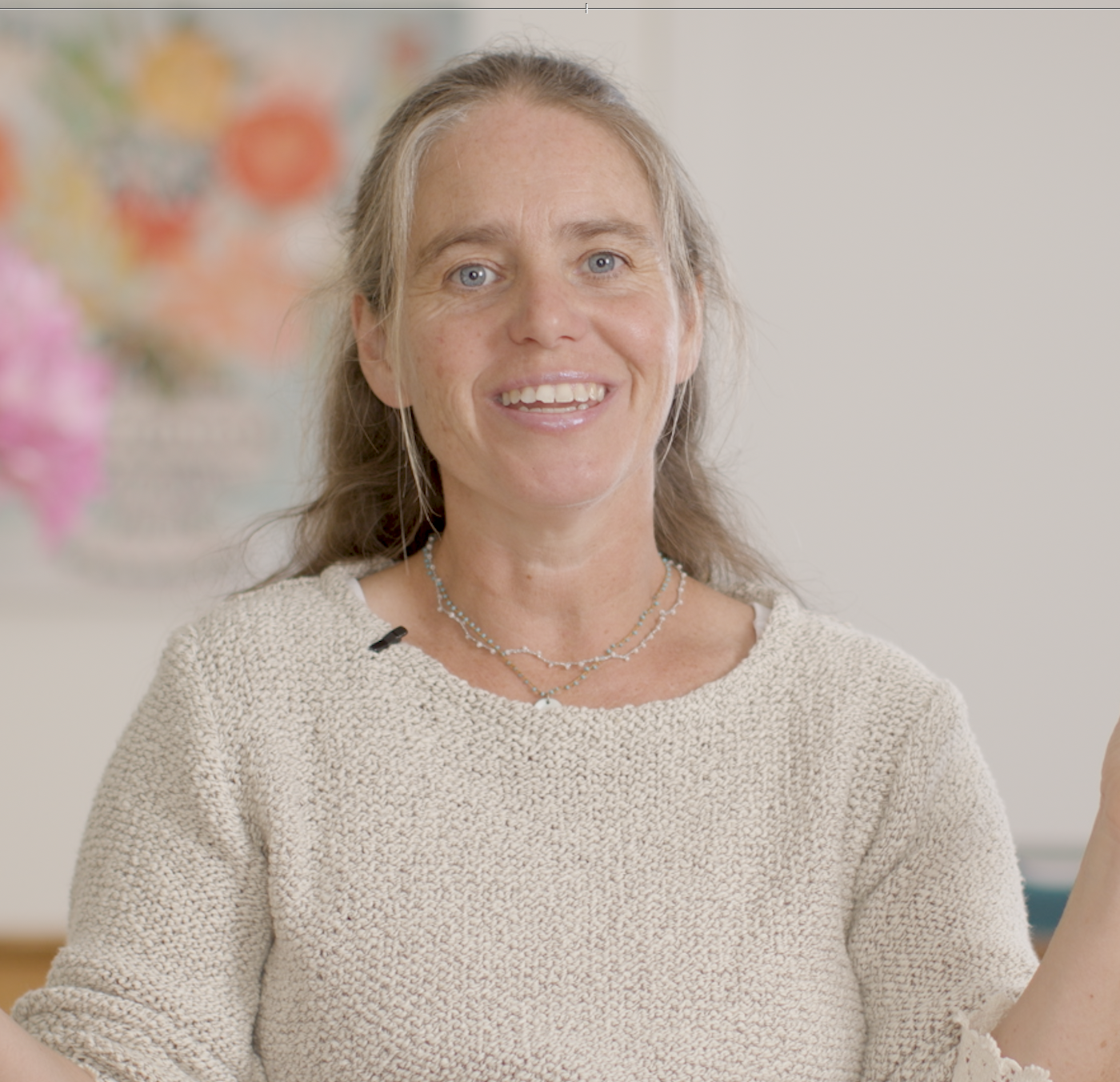
Rochelle Hairs
Nurse and Parent CoachRochelle brings a rich and diverse background to her work with children and families. She first studied Educational Psychology before completing a master’s degree in nursing, and her career has spanned the disability, mental health, and education sectors. This breadth of experience gives her a deep and practical understanding of child development and well-being.
Currently, Rochelle works in private practice, supporting children with neurodiverse needs and guiding their parents. As a mother of two daughters - a teenager and a pre-teen - her personal journey has profoundly shaped her professional path. Her elder daughter is neurodiverse, inspiring Rochelle’s commitment to understanding and advocating for children who learn and experience the world in unique ways.
With both academic expertise and lived experience, Rochelle offers compassionate, grounded support to parents raising neurodiverse children.
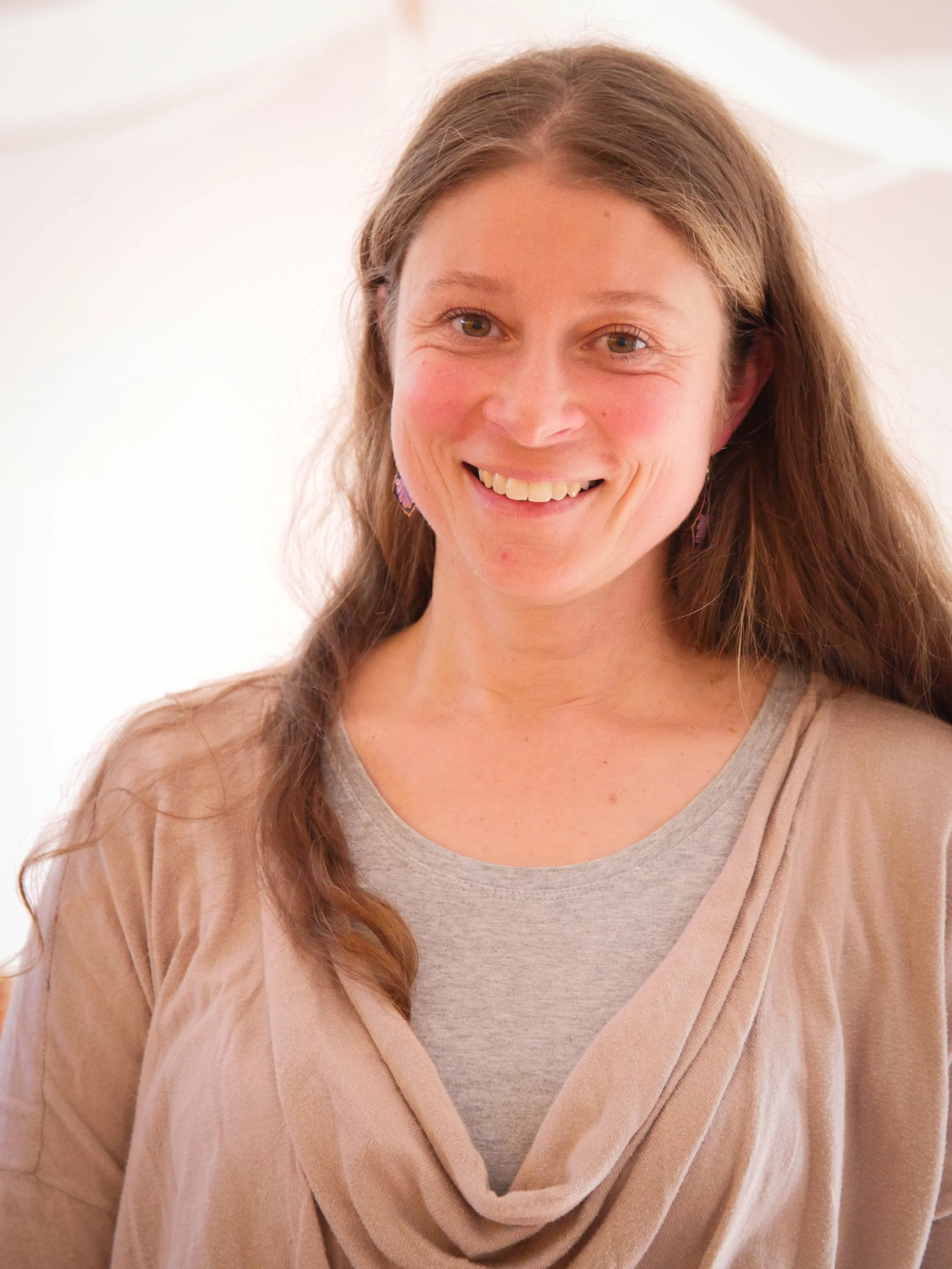
Danica Ondrusova
Waldorf Kindergarten TeacherDanica is a trained primary school teacher specialising in Waldorf education. Her first teaching qualification was completed in Slovakia, and she later continued her studies in Scotland, undertaking further training in special needs education and care at Aberdeen University. She spent five years there working within a community supporting children with diverse needs.
After moving to New Zealand, Danica continued in this field before transitioning into Early Childhood Education. She is now a Kindergarten Teacher in a Steiner setting, where she nurtures young children through play-based learning and a warm, rhythmic environment.
As a mother of three young children, including twin boys, Danica brings both professional expertise and rich lived experience to her work with children and families.
Julie Frew
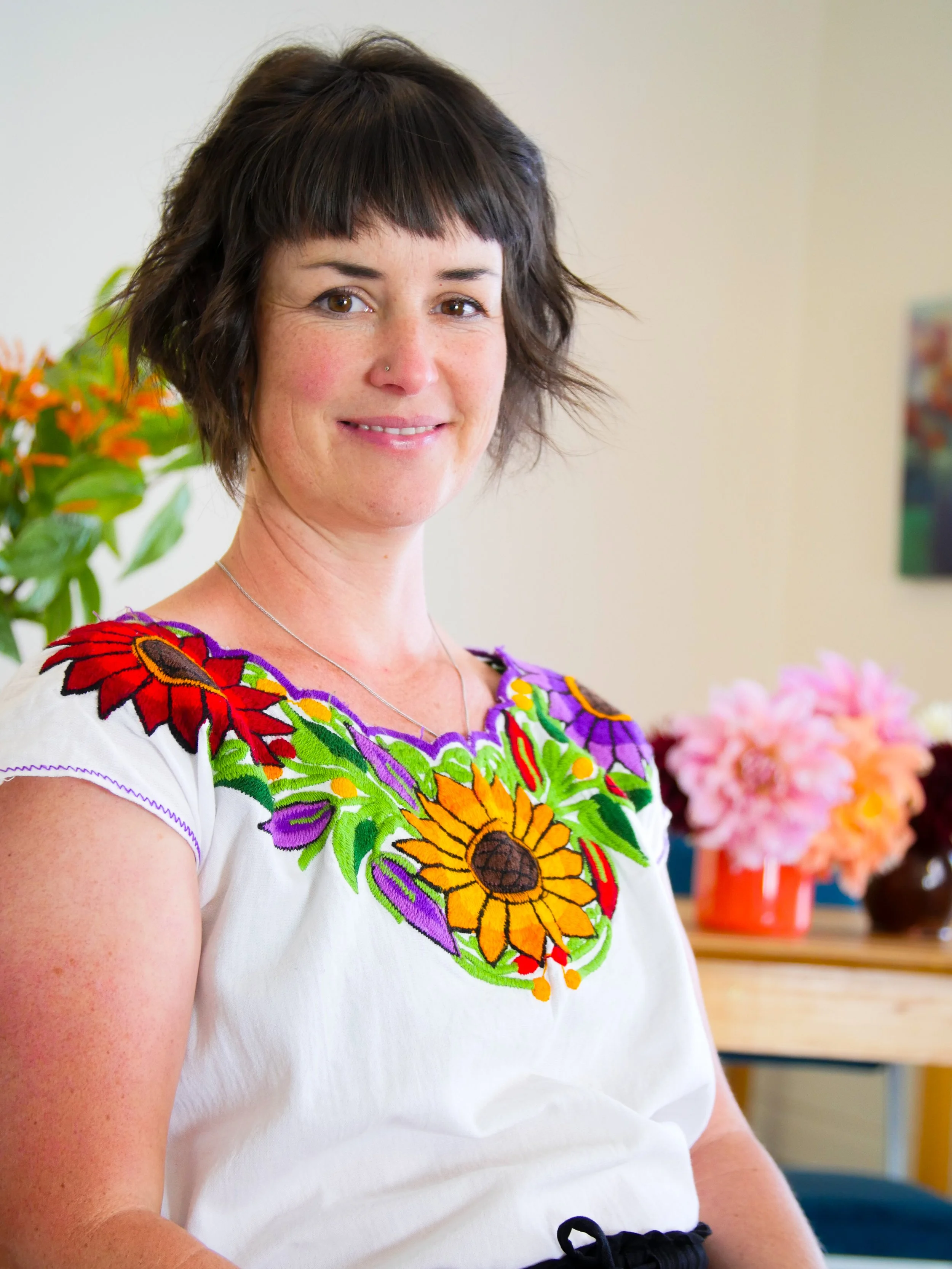
Paediatric Occupational TherapistJulie has worked in the field of Child Development for over 17 years. Her practice is grounded in Postgraduate Study in Sensory Processing for diverse populations, alongside additional training in Attachment, Psychosensory Trauma interventions, Neurobiology, and Polyvagal Theory.
Her professional understanding of the human being is also deeply shaped by a Steiner/Waldorf worldview. As a mother of two young children, Julie weaves both professional expertise and lived experience into her work with families.
She is passionate about helping parents understand their children’s sensory and emotional needs, offering practical tools that support resilience, regulation, and secure attachment. Julie’s compassionate, research-informed approach empowers parents to create nurturing, connected environments where children can truly thrive.
Frequently Asked Questions
-
This is the first of two courses Rochelle offers. It provides a foundational understanding to help you explore whether your child may have neurodiverse needs and what steps you might take next. The second course focuses on practical strategies and tools to support your child once you have greater clarity around their neurodiversity.
-
Yes, once purchased, you will be able to log on and access the courses you have purchased alongside the e-book. The e-book will also be in a downloadable format so you can have your own hard copy.
-
In Rochelle’s view, yes - a formal diagnosis can be very helpful. It allows both you and your child to access the right support at home, at school, and within the wider community.
-
This course is offered through a direct enrolment process to ensure care around access and support for each participant.
If you’d like to take part in Neurodiversity Part 1 with Rochelle Hairs, please register your interest using the button below. A member of the Taruna team will be in touch within 24 hours with payment information and instructions for accessing the course materials.
Course fee:
$60 NZDOnce payment is confirmed, you’ll receive access to the full course content.
Contact and Course Registration
Thinking about enrolling? Curious which program might be the right fit? Whatever you’re looking for, we’re here to help.