
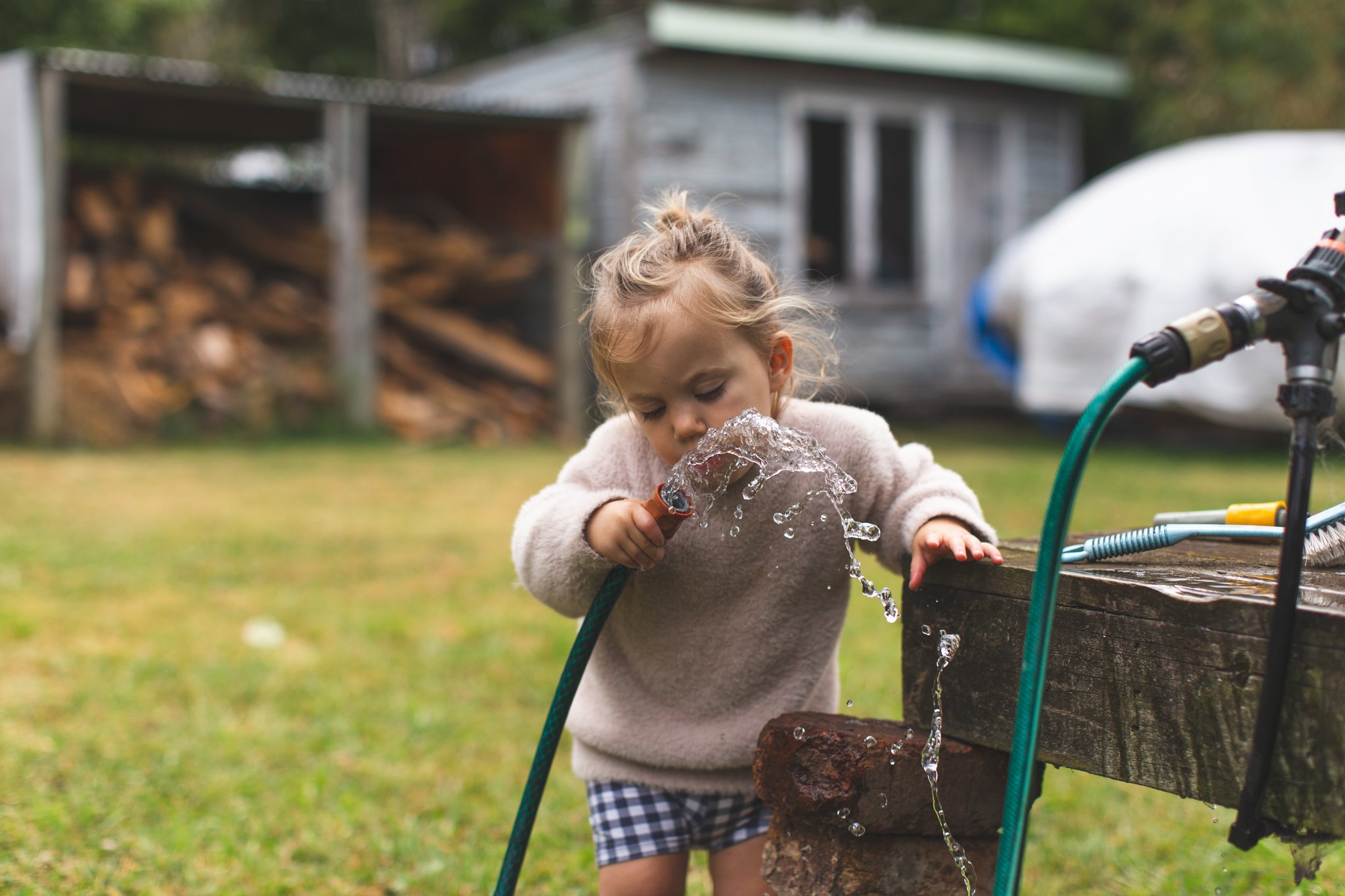
Parenting the Neurodiverse Child (Part 2)
with Rochelle Hairs
Parenting the Neurodiverse Child (Part 2) offers a deeper understanding of neurodiverse children, including those who are especially sensitive. Rochelle brings thoughtful insight into child development and the role of the senses within this broader picture. By developing a deeper awareness of these sensory experiences, parents and educators can better understand their children and respond with practical, supportive strategies.
This course is designed to equip parents and teachers with tools that can be put into practice straight away, whether in the home or in a classroom setting.
What You’ll Learn
This course is ideal for parents who:
Are wondering whether their child may be neurodiverse
Want practical strategies to support their neurodiverse child
Want to understand what neurodiversity truly means
Are seeking clarity around the diagnostic process
Worry about the judgments or assumptions that can come with a neurodiverse profile
Are finding their child’s behaviours or sensitivities challenging
Recognise heightened sensitivity within their children and want tools to support them
Comes with your own
downloadable e-book journal.
Once purchased, work at your own pace.
Program Structure
This program is delivered over 20 lessons, ranging from brief bite-sized segments to sessions around 25 minutes. You’ll also receive a downloadable e-book journal for reflection or to work alongside as you move through the lessons.
Programs you may wish to follow on with…
Explore the vital role of play and sensory development in your child’s growth.
For parents and teachers to understand the power in truly listening and what it means will be of great help insupporting your child and their needs, whether they have neurodiversities or not.
Storytelling is a powerful tool when working with all children. Children make sense of the world through stories, especially when going through inner challenges.
These courses build on the foundations you’ll gain here and offer deeper insights and practical tools to support your parenting journey.
Ideal for
This course is suitable for parents and teachers of undiagnosed or diagnosed children with neurodiversities. This course will give you an understanding into neurodiverse children, their sensitivities and how to best support them with practical tools you can put into practice right away.
Rochelle Hairs: Parenting the Neurodiverse Child (Part 2)
Program Structure
Lesson 2 & 3Lesson 4Lesson 8Lesson 9Lesson 10Lesson 11Lesson 12Lesson 13Lesson 14Lesson 15Lesson 16Lesson 17Lesson 18Lesson 19Lesson 20An Overview of the Eight Senses (7:06)
Lesson 1The Sense of Touch and the Pressure of the Sense of Touch (25:38)
The Sense of Hearing (8:27)
Lesson 5Understanding ‘Stimming’ (4:13)
Lesson 6Additional Strategies for Sense of Hearing (10:14)
Lesson 7The Sense of Sight (11:06)
The Sense of Smell (12:15)
The Sense of Taste (17:23)
The Sense of Proprioception (12:31)
Toys and Devices (6:06)
The Sense of Balance (10:59)
The Sense of Interoception (13:38)
More Strategies for Interoception (12:56)
Using Social Stories (14:37)
Social Stories in Action (5:59)
Holidays and Rituals (6:50)
Navigating Daily Transitions (21:53)
Look After Yourself (6:47)
Conclusion (3:57)
Meet the Instructors
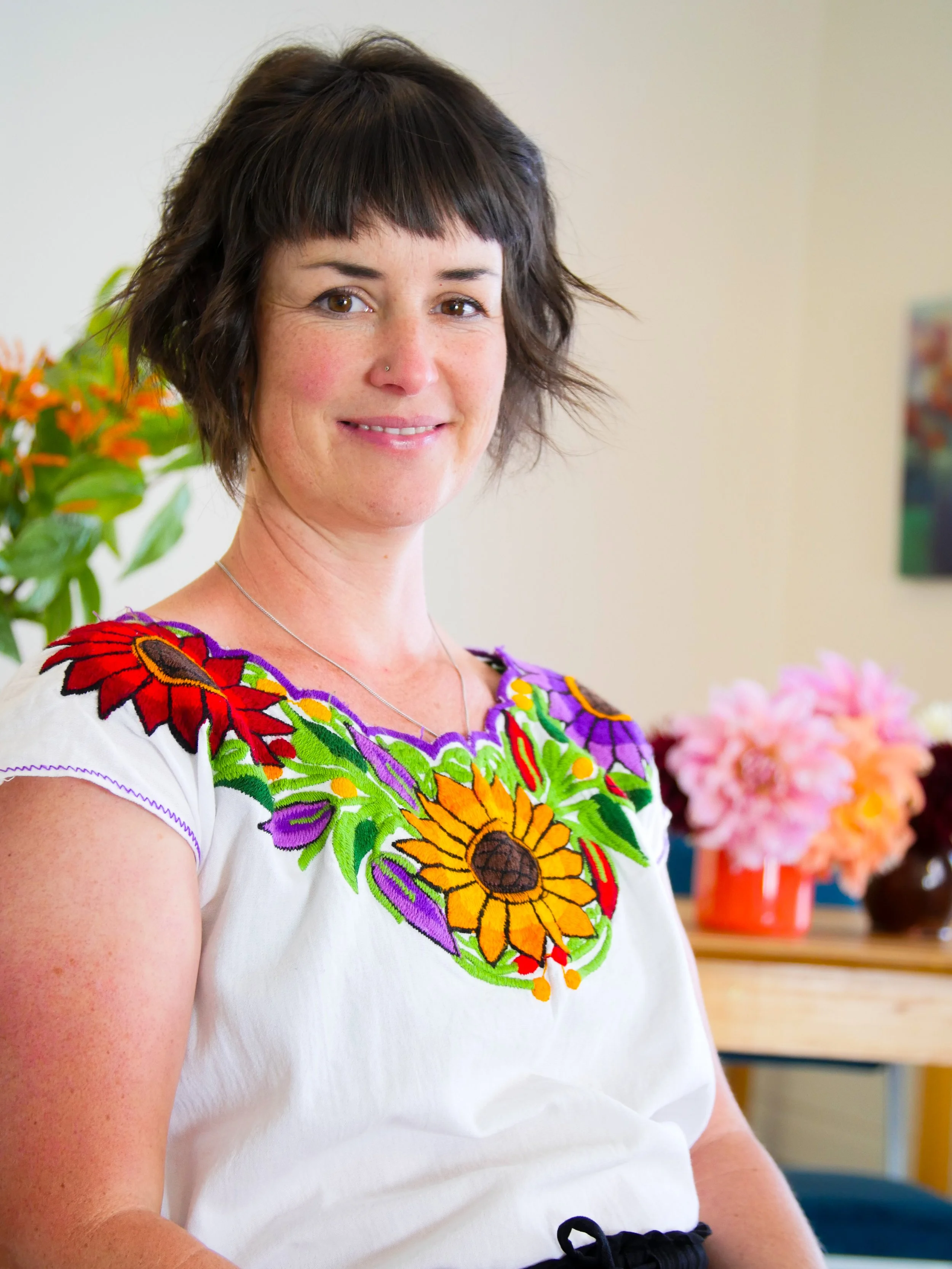
Julie Frew
Julie has worked in the field of child development for over 17 years. Her practice is grounded in postgraduate study in sensory processing for diverse populations, alongside additional training in attachment, psychosensory trauma interventions, neurobiology, and polyvagal theory.
Her professional understanding of the human being is also deeply shaped by a Steiner/Waldorf worldview. As a mother of two young children, Julie weaves both professional expertise and lived experience into her work with families.
She is passionate about helping parents understand their children’s sensory and emotional needs, offering practical tools that support resilience, regulation, and secure attachment. Julie’s compassionate, research-informed approach empowers parents to create nurturing, connected environments where children can truly thrive.
Paediatric Occupational Therapist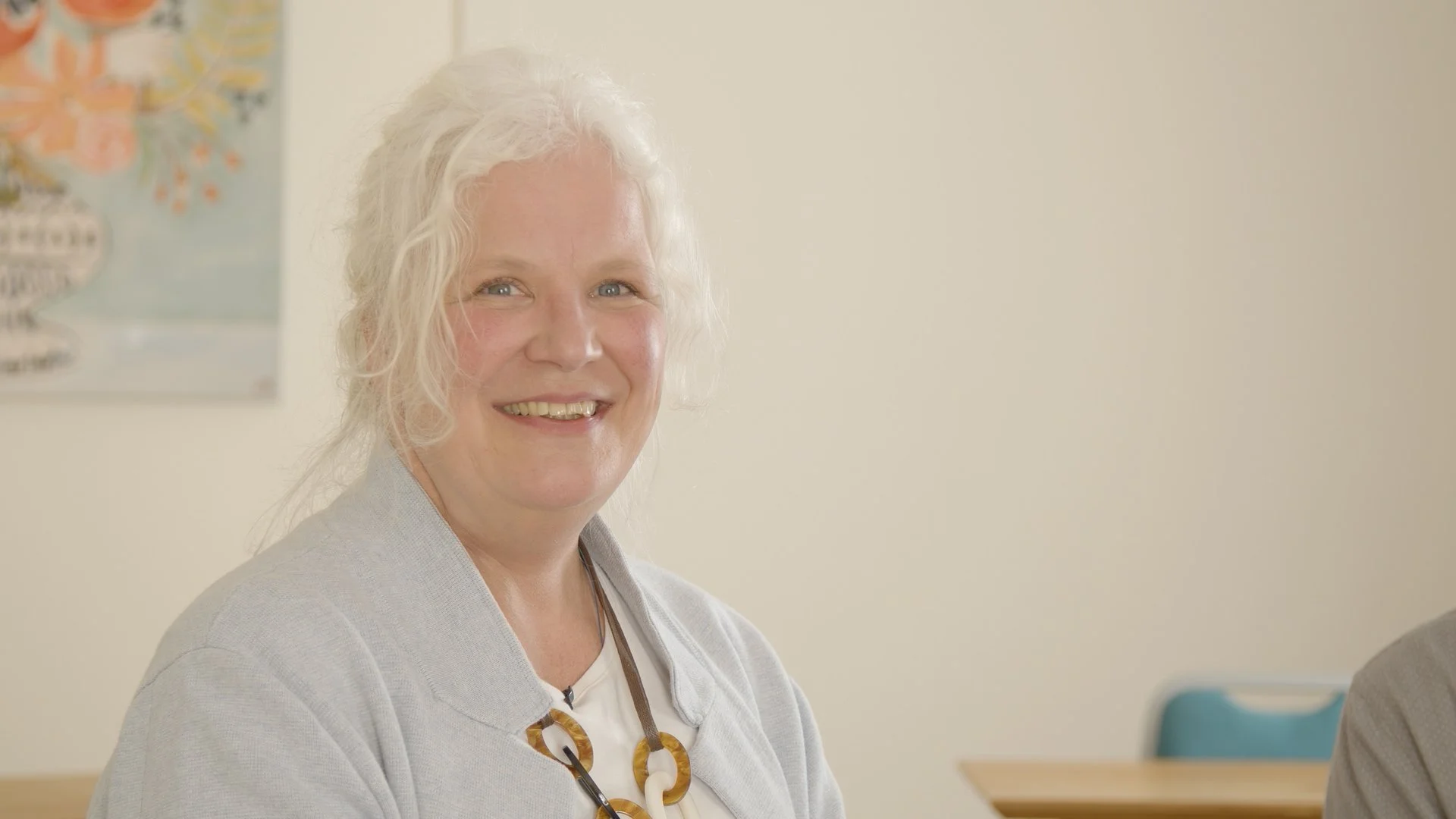
Anne De Wild & Chris Burke
Anne: Naturopath and Biography WorkerChris: Psychology Professor and Biography Worker
Anne de Wild is a naturopath and biography worker based in Basel, Switzerland. Her work centres on artful listening, uncovering personal stories, and finding moments of humour. She lectures widely and teaches biography and social art across a range of themes.
Chris Burke is a psychology professor and biography worker in Pennsylvania, USA. He has a gift for leading rich conversations, working with folk tales, and asking the kinds of questions that open pathways into deeper stories. He enjoys bringing biography and social art practices into his university teaching.
Together, as The Hummingbird Principle, Anne and Chris have led biography and social art workshops across three continents, exploring themes from ‘The Art of Listening’ to ‘Intergenerational Collaboration’.
Danica Ondrusova
Waldorf Kindergarten TeacherDanica is a trained primary school teacher specialising in Waldorf education. Her first teaching qualification was completed in Slovakia, and she later continued her studies in Scotland, undertaking further training in special needs education and care at Aberdeen University. She spent five years there working within a community supporting children with diverse needs.
After moving to New Zealand, Danica continued in this field before transitioning into early childhood education. She is now a kindergarten teacher in a Steiner setting, where she nurtures young children through play-based learning and a warm, rhythmic environment.
As a mother of three young children, including twin boys, Danica brings both professional expertise and rich lived experience to her work with children and families.
Frequently Asked Questions
-
Yes, absolutely. Rochelle offers a wide range of practical tools alongside a deeper understanding of sensory development in children. Many neurodiverse children experience heightened sensory responses, and these insights are equally valuable for supporting highly sensitive children. The course helps you learn how to work with each child’s unique sensory profile in an individual and responsive way.
-
No. Whether or not your child has a formal diagnosis, this course will still be very helpful. You may begin to recognise patterns or traits in your sensitive child and learn practical ways to work with and support these needs. A diagnosis is often most useful for accessing additional professional support - particularly if your child is struggling in the classroom or requires more support than you’re able to offer.
-
Yes, once purchased, you will be able to log on and access the courses you have purchased alongside the e-book. The e-book will also be in a downloadable format so you can have your own hard copy.
-
This course is offered through a direct enrolement process to ensure care around access and support for each participant.
If you’d like to take part in Neurodiversity Part 2 with Rochelle Hairs, please register your interest using the button below. A member of the Taruna team will be in touch within 24 hours with payment information and instructions for accessing the course materials.
Course fee:
$120 NZDOnce payment is confirmed, you’ll receive access to the full course content.
Contact & Course Information
Thinking about enrolling? Curious which program might be the right fit? Whatever you’re looking for, we’re here to help.