
Waldorf Education
The History of Waldorf Education. The ‘Why’ behind what we do here at Taruna.

How did Waldorf Education begin?
After World War I, Europe was shaken - socially, politically, and spiritually. Many people were searching for new ways to rebuild society.
In 1919, a factory owner named Emil Molt, who ran the Waldorf-Astoria cigarette factory in Stuttgart, Germany, asked Steiner to help create a school for the children of his workers.
Steiner agreed - but only if:
The school served all children, regardless of background
Teachers were free to teach creatively
Education focused on the whole human being, not just academics
This became the first Waldorf School.
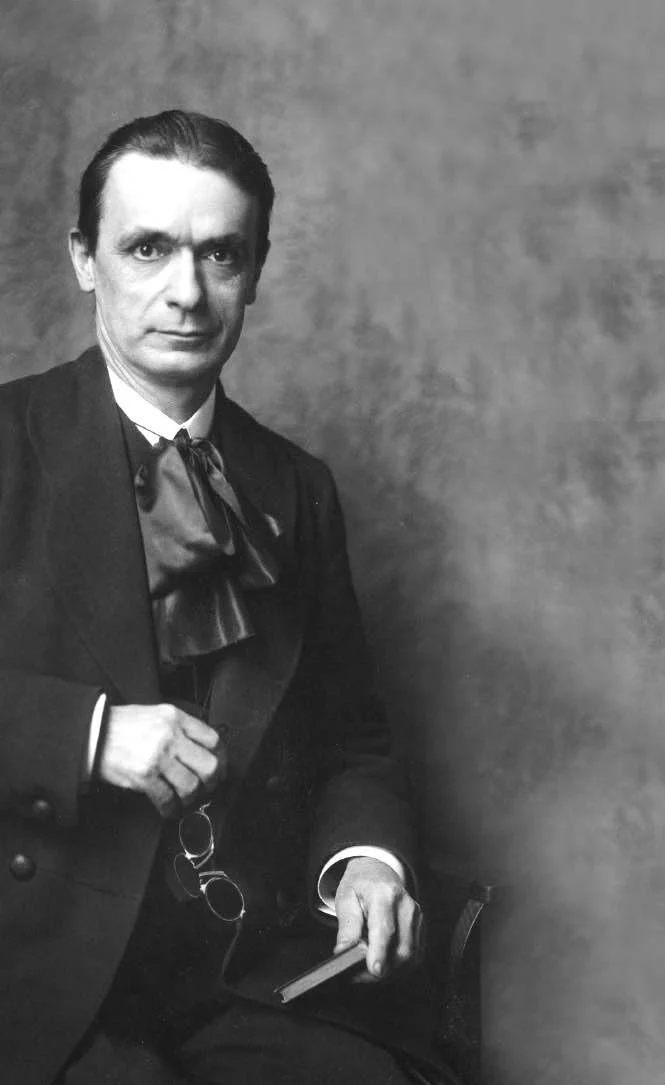
Rudolf Steiner
1861 - 1925
For those of you who are familiar with Waldorf Education but want to know the history of it all, here we have Rudolf Steiner.
Rudolf Steiner was an Austrian philosopher, educator, and social reformer who was deeply interested in understanding the human being - not just intellectually, but physically, emotionally, and spiritually.
From a young age, Steiner was curious about big questions:
What does it mean to be human?
How do we grow and develop?
How can education support the whole person, not just the mind?
He studied science, mathematics, and philosophy, and was strongly influenced by thinkers like Goethe, particularly Goethe’s way of observing nature as something living and meaningful rather than mechanical.
Anthroposophy: The Foundation of his Work
Over time, Rudolf Steiner developed a philosophy he called Anthroposophy, which means “wisdom of the human being.”
Anthroposophy is not a religion, but a spiritual worldview that seeks to understand:
the physical body
the inner life (feelings, imagination, will)
the spiritual dimension of being human
Rudolf Steiner believed that human beings develop in distinct stages, and that education should be in harmony with these stages, rather than pushing children to grow up too fast.

“What does a child need at each stage of life to grow into a healthy, free, and whole human being?”
What made Waldorf education different?
Steiner designed the education around child development, not standardised outcomes. Some key ideas included:
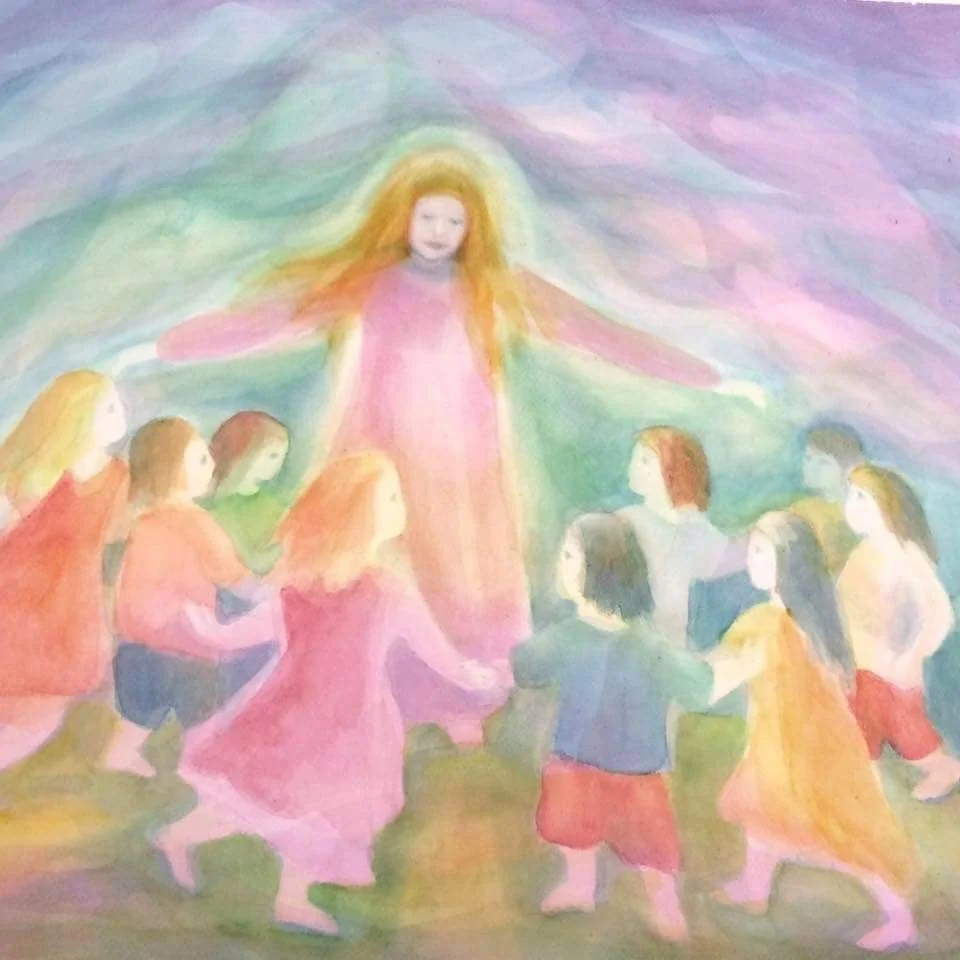
Early childhood (0–7): learning through imitation, play, movement, and rhythm
Middle childhood (7–14): learning through imagination, stories, arts, and relationship
Adolescence (14–21): developing critical thinking, responsibility, and moral judgment
Waldorf education:
Integrates arts, music, movement, handwork, and storytelling
Values rhythm, repetition, and seasonal life
Delays formal academics in early childhood
Sees the teacher as a guide and moral presence, not just an instructor
Why did Rudolf Steiner think this mattered?
Steiner believed education shapes not just individuals, but society itself.
He felt that if children were educated in a way that honoured:
Their inner life
Their creativity
Their capacity for empathy and meaning they would grow into adults who could act with freedom, responsibility, and social awareness.
Rudolf Steiner’s Wider Influence
Rudolf Steiner’s work developed in: Education (Waldorf schools worldwide), Early childhood Education, Biodynamic Agriculture, Medicine and Health, Architecture, and Social renewal.